
Yuni: Building the Bridge Between Japanese Craftsmanship and ASEAN Opportunity
Alaine Nakagawa and Kenjiro Takeda
Yuni is a cross border food distribution and market access company that connects Japanese producers with ASEAN markets, with a growing focus on matcha and specialty products. Built by founders with roots in both Japan and the Philippines, Yuni goes beyond importing by combining localized operations, direct supplier relationships, and cultural understanding to help products enter new markets successfully. By bridging producers, businesses, and consumers, the company aims to create stronger trade connections while sharing the stories and craftsmanship behind Japanese products. With that, let’s dive deeper into its mission and innovation with Alaine Nakagawa and Kenjiro Takeda.

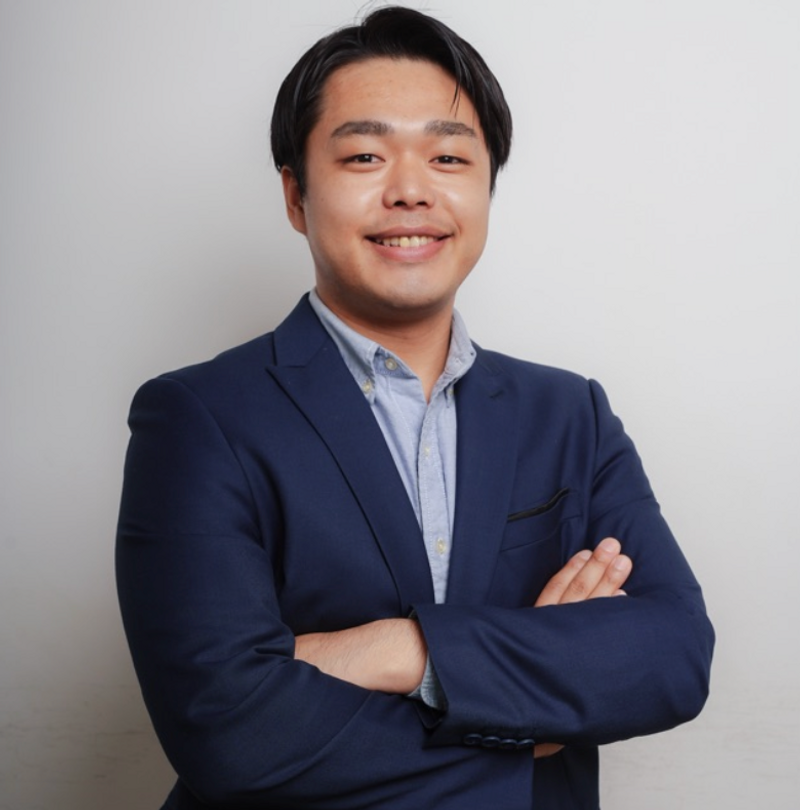
The Business That Almost Became Everything
Before Yuni became known for matcha, it was simply a company trying to survive.
In the early days, Alaine Nakagawa and Kenjiro Takeda were not focused on one clear product. They started as Japanese food distributors, taking on whatever opportunities came their way. If someone needed help, they said yes. If a new job appeared, they tried it. The business was moving, but it was not yet becoming. Sales were difficult. Direction was unclear. Like many young companies, Yuni was busy without being certain where it was headed.
Then matcha changed everything.
The market was growing, but that was only part of the story. What mattered more was proximity. As Japanese founders, they could speak directly with farmers, understand the source, and build trust in a way many traders could not. During one conversation, a farmer offered supply on one condition. Commitment. He asked for a ten year relationship. There was no dramatic boardroom decision. No grand announcement. Just a simple yes.
And with that, Yuni found its lane.
More Than Importing Products
Many companies say they connect markets. Yuni wanted to do something deeper.
Kenji had studied in the Philippines and chose to stay. That decision shaped the business. Instead of operating from afar and shipping products only when orders arrived, Yuni built itself on the ground. They carried stock locally, stayed close to customers, and learned the market from within. That difference matters.
When businesses operate only from a distance, relationships can feel transactional. Lead times grow longer. Products lose context. But when a company is present in the market it serves, it can respond faster, build trust, and understand what customers actually need.
Alaine saw another gap. Information was being lost between farm and consumer. Farmers cared deeply about how matcha should be understood, but those stories were not always reaching buyers correctly. The product was arriving, but the meaning was not. So Yuni’s mission became larger than distribution. It became about delivering both product and story.
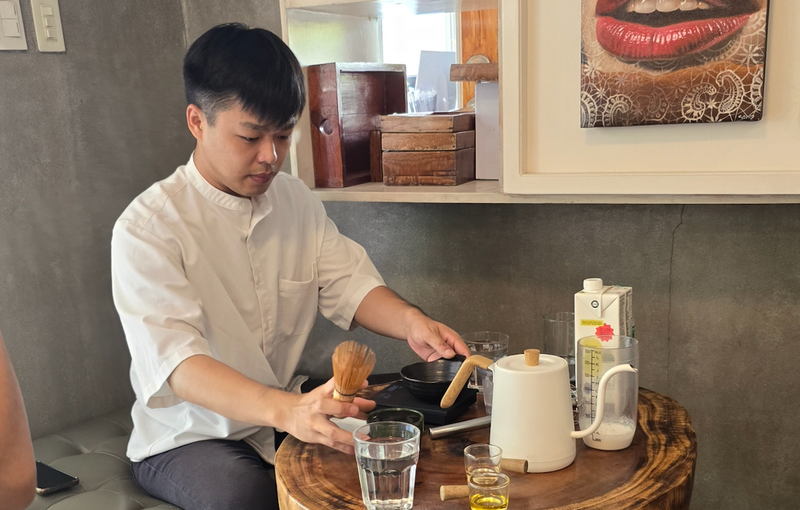
The Internship That Became a Foundation
Long before they were founders, they were learners.
Both Alaine and Kenji spent time at TechShake, and the lessons they carried were not limited to technical skills. They watched how startups entered new markets, how partnerships were built, and how ideas could grow into companies through the right environment.
For Kenji, it was a practical education in expansion and opportunity. He saw the potential of the Philippine startup ecosystem and began imagining how his own business could create impact between Japan and Southeast Asia. For Alaine, the deeper lesson was mindset. Entrepreneurship had never been a fixed plan. But being surrounded by builders changed the way he thought. It showed him how to see opportunities, collaborate with others, and create something bigger than himself.
Sometimes careers are not shaped by one lesson. They are shaped by the rooms you enter and the people you meet there.
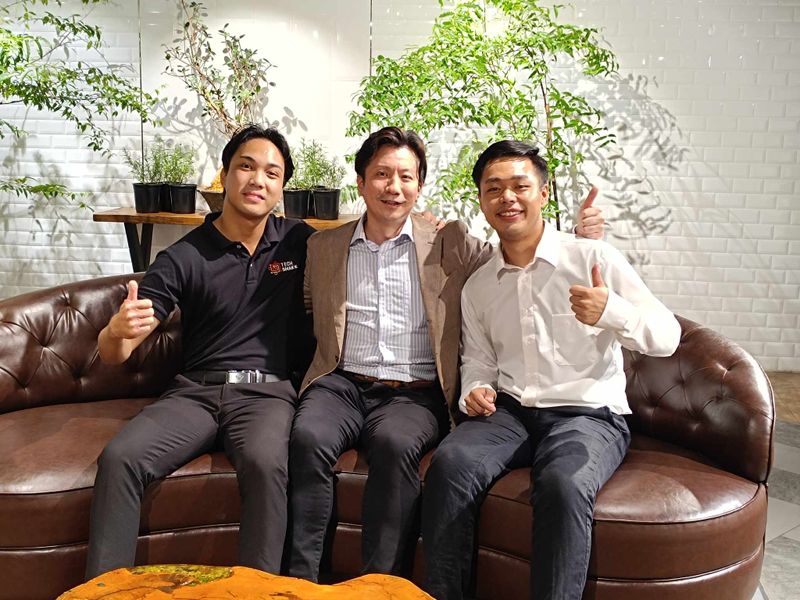
Learning That Business Is Cultural
A business model may travel across borders. Human behavior does not.
Alaine grew up between Japan and the Philippines, and that experience taught him early that what works in one country may fail in another. Solutions that felt natural in Japan did not always fit the Philippine market.
Even networking looked different. In Japan, one dinner might be enough to begin a relationship. In the Philippines, trust often takes more time. It is built through repeated conversations, shared moments, and genuine connection. That lesson changed how they approached growth. Success was not only about efficiency or systems. It was about understanding people first.
For founders building across borders, culture is not a side note. It is a strategy.
Refusing to Quit
There comes a point in every founder’s journey when ambition becomes irreversible.
For Kenji, that moment came when he chose not to follow the safer path of joining a large company. Yuni was already operating, but revenue was still uncertain. The easier option was available. He simply chose otherwise. That decision created a new kind of pressure, but also a new kind of energy. When there is no backup plan, determination sharpens. Problems still come. Cash flow remains difficult. Growth is never smooth. But quitting stops feeling like an option.
So the question changes.
Not “Should we continue?”
But “How do we find a way?”

The Founders They Hope to Become
Ask many founders what kind of company they want to build, and they will talk about scale. Here, Alaine speaks about people. At 22, he represents a new generation, driven to help transform the Philippines and create impact beyond it. He is not just looking for employees, but for teammates who share the same vision and want to build the future together. He looks for more than skills: hunger, vision, and purpose. He wants to create an environment where people grow, dream bigger, and one day become leaders themselves.
Alaine speaks about building people who can create change in the future. Kenji speaks about becoming a kind and supportive founder: someone who can create a place where others can truly thrive.Some entrepreneurs build companies only to become successful. Others build companies that make success possible for everyone around them.
Yuni has chosen to be the second kind.
-
Alaine Nakagawa is CEO and the Founder of Yuni, where he leads operations, partnerships, and business growth across the region. Through Yuni, he is focused on creating systems and partnerships that help businesses expand successfully across borders.
Kenjiro Takeda is the Founder and Sourcing Specialist of Yuni. Driven by a passion for entrepreneurship and cross cultural collaboration, Takeda is focused on helping Japanese products reach new audiences while building opportunities across Southeast Asia.
Visit www.techshake.asia if you would like to know and connect more with Yuni.
Are you a startup, investor or corporation? Or do you just enjoy talking about startups? There are many ways that you can work with TechShake.
We’d love to hear from you!