
SEA Bridge: Turning Borders into Bridges for Innovation
Kasper Tanakrit Sermsuksan
SEA Bridge is a cross border venture builder dedicated to helping startups and organizations build, expand, and collaborate across Southeast Asia. By combining venture building, ecosystem development, market entry support, and strategic partnerships, SEA Bridge works to create companies that are designed for the ASEAN region from the very beginning. Rather than viewing borders as barriers, the organization focuses on connecting founders, talent, universities, and industry partners to build a more integrated and collaborative regional innovation ecosystem. With that, let's dive deeper into SEA Bridge's vision for borderless entrepreneurship with its Founder, Kasper Tanakrit Sermsuksan.
SEA Bridge works two ways: it builds and co-builds ventures with founders, family businesses, and institutions, and it delivers market entry for companies that already have a business. Thailand, Indonesia, Vietnam, and the Philippines are its core markets, supported by 34 partner relationships including 18 signed academic agreements across six countries.
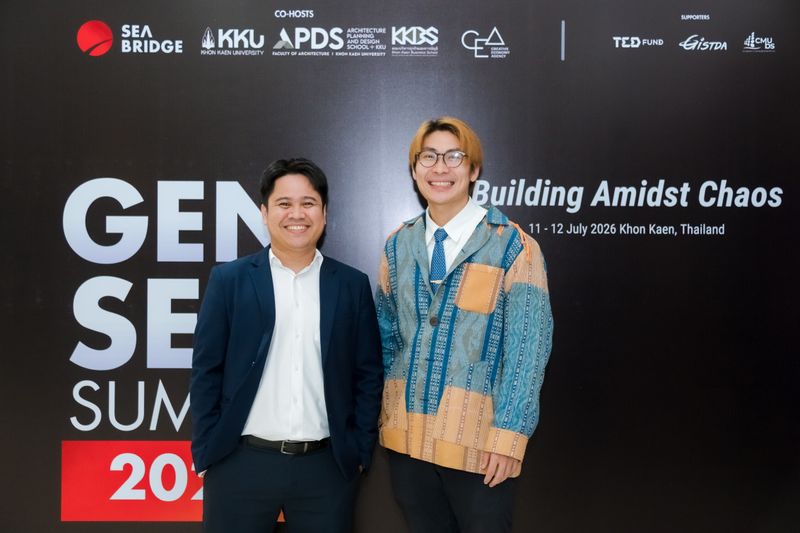
SEA Bridge and the Long Road to a Borderless Southeast Asia
Most founders think about building companies. Kasper Tanakrit Sermsuksan thinks about building a region.
That difference changes almost everything.
When people hear the words "cross border," they often picture expansion plans, market entry strategies, or international partnerships. For Kasper, those are only the visible outcomes. The real work begins much earlier. It begins with creating the relationships, trust, and infrastructure that make those outcomes possible.
That philosophy became the foundation of SEA Bridge.
Rather than simply helping companies enter new markets, SEA Bridge exists to help entrepreneurs think regionally from the very beginning. Sometimes that means supporting an existing startup as it expands into another ASEAN country. Other times it means bringing founders together to build entirely new companies designed for Southeast Asia from day one. Both approaches require the same thing: a strong ecosystem that allows people to meet, collaborate, and solve problems together.
It is why SEA Bridge invests as much energy into communities, education, partnerships, and founder networks as it does into venture building itself. Before businesses can cross borders, people have to.
Building What Doesn't Exist Yet
There is a tendency within startup ecosystems to duplicate what already works elsewhere. Build another accelerator. Launch another incubator. Create another networking event.
SEA Bridge deliberately takes a different path.
Kasper believes the first responsibility is understanding what already exists. If a trusted partner is already serving founders well in a particular market, the goal is not to compete but to strengthen that ecosystem. Collaboration becomes far more valuable than duplication. Where those connections do not yet exist, SEA Bridge steps in to help create them. The second distinction lies in execution.
Having built companies himself, Kasper understands that founders rarely need another person explaining entrepreneurship from the sidelines. They need people willing to build alongside them, solve operational problems, and navigate uncertainty together. The experience of entrepreneurship cannot be replicated through advice alone.
This mindset has also shaped the ventures SEA Bridge chooses to create. Beyond supporting startups directly, the organization develops platforms, research tools, media initiatives, and distribution networks that make it easier for future founders to succeed. The goal is to create assets that continue serving the ecosystem long after the original project is complete.
In many ways, SEA Bridge is not simply building companies. It is building the infrastructure that future companies will rely upon.
ASEAN Is Not One Market
Many outsiders speak about Southeast Asia as though it were a single destination. Those who have actually built businesses here know better.
Each country carries its own language, culture, regulations, consumer behavior, and pace of development. Even within individual countries, markets differ dramatically. The Philippines alone cannot be understood through a single lens. Indonesia, Thailand, Vietnam, Malaysia, and Singapore each bring their own complexities.
For many founders, this diversity feels overwhelming. For Kasper, it is precisely what makes the region so exciting.
The challenge is not eliminating those differences but learning how to work with them. Success in Southeast Asia has never been about copying the same playbook from one country to another. It requires curiosity, patience, and a willingness to adapt.
The founders who thrive are usually the ones who stop asking how to replicate their existing business and begin asking how to become part of a new community. They spend time understanding local cultures, building genuine relationships, and recognizing that trust often matters as much as technology. That perspective transforms localization from a business tactic into a long term commitment.
Expansion Is a Personal Decision Before It Is a Business One
When founders talk about entering new markets, the conversation almost always revolves around revenue, market size, and competition.
Kasper prefers a different question. Can you imagine yourself spending the next twenty years there?
It sounds surprisingly personal for a business discussion, but he believes the answer reveals far more than any market analysis ever could.
A founder who genuinely wants to build in another country will naturally begin learning its language, understanding its history, respecting its culture, and investing in relationships that extend beyond transactions. Expansion stops being an exercise in extracting opportunity and becomes an act of participating in a community.
That shift changes how companies hire, whom they partner with, and even where they spend their time. Universities become important because they develop future talent. Local founders become long term collaborators rather than short term contacts. Business partnerships evolve into shared missions.
Cross border entrepreneurship, in this sense, is less about crossing borders than removing the mindset that created them.
Investing in People Before Companies
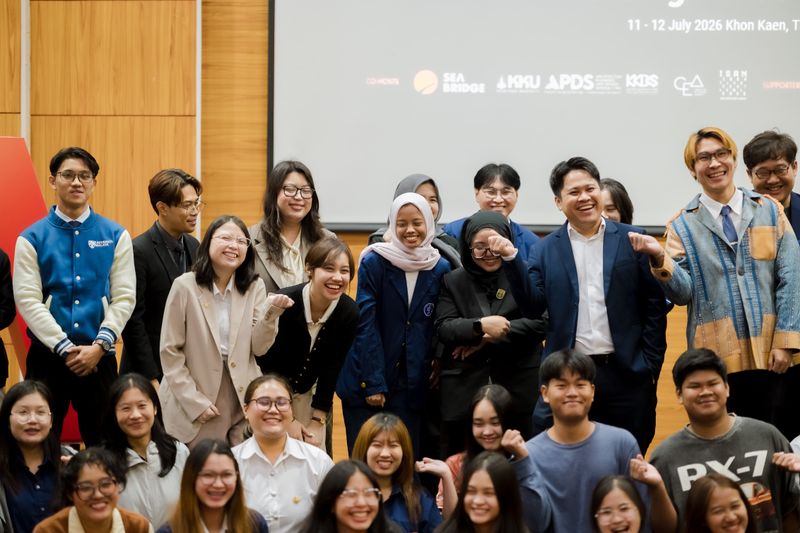
Perhaps the clearest expression of that philosophy is the ASEAN1967 Fellowship, the flagship cohort of Gen SEA, named for the year ASEAN was founded.
Every year, students from across Southeast Asia come together to learn, collaborate, and work on projects as one cohort. They represent different countries, backgrounds, and disciplines, but they share the experience of building something together before national boundaries have the chance to define how they think.
The objective is not immediate startup creation. It is something far more patient. Kasper imagines what happens ten years later, when those same students have become founders, executives, investors, or policymakers. The friendships formed today may become tomorrow's cross border companies. A future co-founder might first be met inside a university classroom rather than a boardroom.
That is the kind of ecosystem SEA Bridge wants to create. Not one driven solely by capital, but by relationships that mature over decades.
For Kasper, success is measured not only by the companies launched today but by the people who will shape Southeast Asia long after his own work is finished.
Beyond Cross Border
Ironically, Kasper hopes one day the phrase "cross border" disappears entirely. If businesses still need to describe themselves that way, it suggests the borders remain the defining feature. His ambition is different.
He envisions a future where founders naturally think beyond national boundaries because collaboration across Southeast Asia has become ordinary rather than exceptional. Instead of Thai startups, Filipino startups, or Indonesian startups, he hopes to see companies that simply belong to ASEAN.
That future will not emerge through policy alone or through isolated success stories. It will require stronger founder communities, deeper institutional partnerships, and a generation of entrepreneurs who view the region not as separate markets but as a shared opportunity.
SEA Bridge's role, as Kasper sees it, is not to build every company. It is to help create the conditions where the next generation of founders can build them together.
-
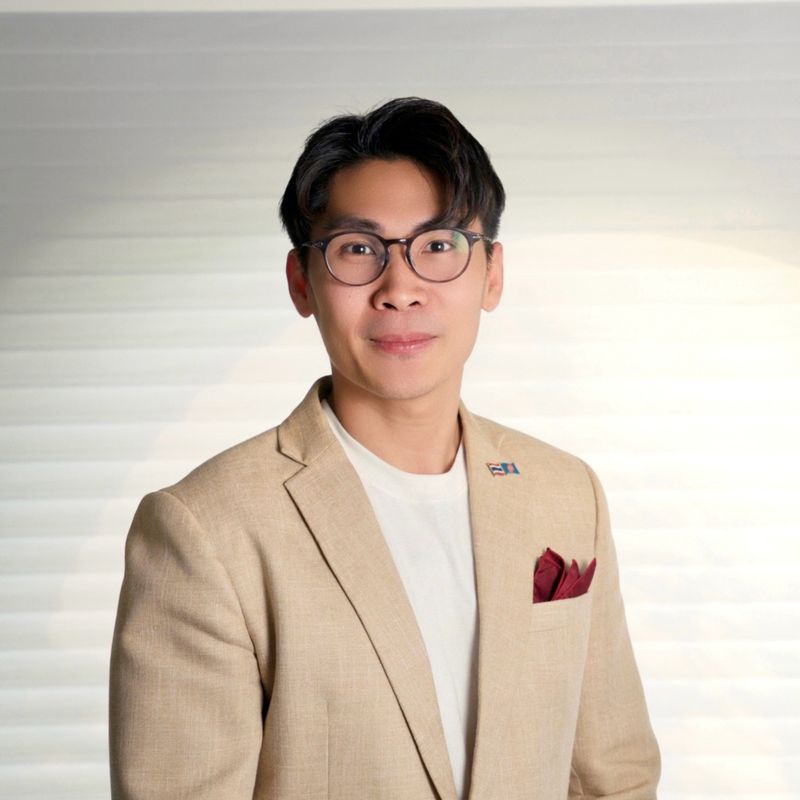
Kasper Tanakrit Sermsuksan is the Founder of SEA Bridge, a cross border venture builder dedicated to helping entrepreneurs and organizations build and scale across Southeast Asia. With experience spanning entrepreneurship, venture building, and ecosystem development, he has worked with startups, corporations, universities, and governments to strengthen regional innovation and collaboration. Through SEA Bridge, Kasper focuses on creating borderless opportunities by connecting founders, talent, and strategic partners to build ventures designed for long term growth across ASEAN.
Visit www.techshake.asia if you would like to know and connect more with SEA Bridge.
Are you a startup, investor or corporation? Or do you just enjoy talking about startups? There are many ways that you can work with TechShake.
We’d love to hear from you!