
DICT: Building the Foundations of the Philippines' Digital Future
Leandro Angelo Aguirre
The Office for Strategic Initiatives and Industry and Competency Development within the Department of Information and Communications Technology (DICT) plays a key role in advancing the Philippines’ digital transformation agenda. The Office focuses on strengthening the country’s digital ecosystem by developing industry partnerships and building the digital skills and competencies of the Filipino workforce. Through initiatives that connect government, industry, startups, academia, and international partners, the Office drives digital adoption, enhance talent development, and works towards positioning the Philippines as a competitive and trusted player in the regional digital economy. With that, let’s dive deeper into its mission and innovation with its Undersecretary, Leandro Angelo Aguirre.
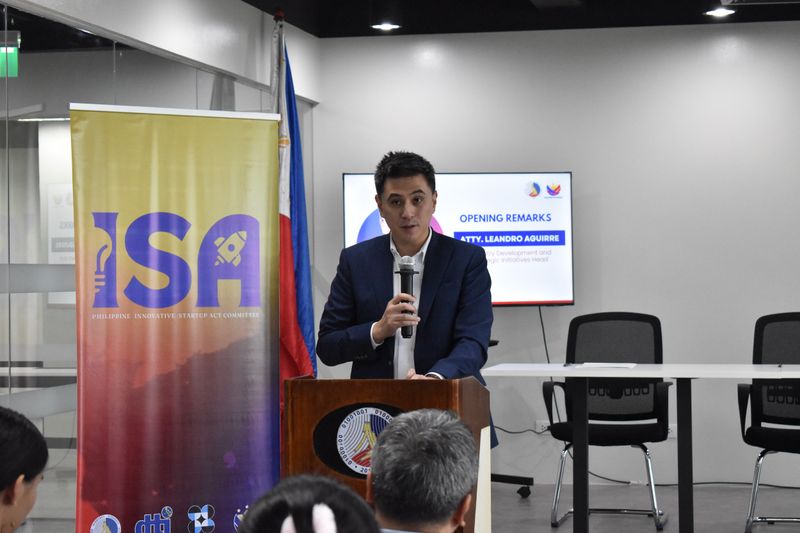
Building the Philippines’ Digital Future
In a country of more than seven thousand islands, transformation does not begin with technology. It begins with access.
For the Philippines, digital transformation is not simply about faster systems or smarter software. It is about opportunity reaching every corner of the nation. At the center of this effort is the DICT, an institution tasked with guiding how the country builds its digital future.
For Leandro Angelo Aguirre, Undersecretary for Strategic Initiatives and Industry and Competency Development, the role of the agency is clear: DICT is not merely a regulator or an infrastructure builder. It is a strategic enabler that connects the different forces shaping the digital economy. This means strengthening connectivity, developing digital skills, modernizing government services, and ensuring that various stakeholders across the country can adapt to technological change. It also means bridging a wide network composed of government agencies, businesses, universities, civil society groups, and internationally towards the country’s digital progress.
But one principle guides this effort above all else. Digital transformation must be inclusive. Connectivity and digital opportunity cannot remain concentrated in urban centers or large corporations. Small businesses, regional communities, and underserved sectors must also have a place in the digital economy.
For the Philippines to grow sustainably, the benefits of technology must reach everyone.
Strengthening the Country’s Digital Capability
Technology alone does not transform economies. People do.
Across industries in the Philippines, digital adoption depends on the readiness of the workforce behind it. Recognizing this, one of DICT’s most urgent priorities today is strengthening the country’s digital capability. This involves building digital literacy across sectors while expanding more advanced competencies such as artificial intelligence, and cybersecurity. Particular attention is given to micro, small, and medium enterprises, which form the backbone of the Philippine economy but often lack access to advanced training resources.
To reach communities beyond major cities, DICT has been scaling its training programs through regional models and training initiatives. The goal is to make digital upskilling continuous rather than occasional.
Technology evolves quickly. Skills must evolve just as quickly. For the Philippines, digital transformation will only move as fast as the workforce behind it.
Creating Space for Innovation
In the world of deep technology and artificial intelligence, innovation thrives when the environment allows experimentation.
Startups building in these sectors require more than funding or talent. They need clarity in the rules that shape their work. The government, in this context, plays a delicate role. It must provide guardrails to ensure responsible innovation while avoiding policies that unintentionally stifle creativity. If regulation focuses only on penalizing harm, it risks discouraging transparency and experimentation. A healthier approach encourages dialogue between policymakers and innovators so that both sides understand the evolving realities of technology.
For the Philippines, strengthening the local talent pipeline is equally critical. Filipino startups must have access to expertise in areas such as artificial intelligence, cloud infrastructure, and data science.
The vision is simple but ambitious. Filipinos should not only be users of advanced technologies, but also become builders of such technologies.
The Structural Challenges Ahead
Despite strong momentum, several structural challenges still stand in the way of deeper regional competitiveness.
One of the most pressing is the advanced digital skills gap. The Philippines has a young and adaptable workforce with strong English proficiency, yet the overall level of digital maturity must continue to rise. Infrastructure also remains an important factor. Reliable connectivity and scalable digital systems must extend beyond major metropolitan areas if the country hopes to compete regionally. Another challenge lies in the regulatory culture. Enforcement is necessary, but an overly punitive approach can discourage collaboration between government and industry.
Progress will require a shift toward trust-based governance. Policies should encourage organizations to adopt best practices proactively rather than only reacting when problems occur.
True competitiveness will depend on alignment. Policy, industry, talent, and innovation must move in the same direction.
Building Platforms for Collaboration
In the digital age, policy cannot be developed in isolation.
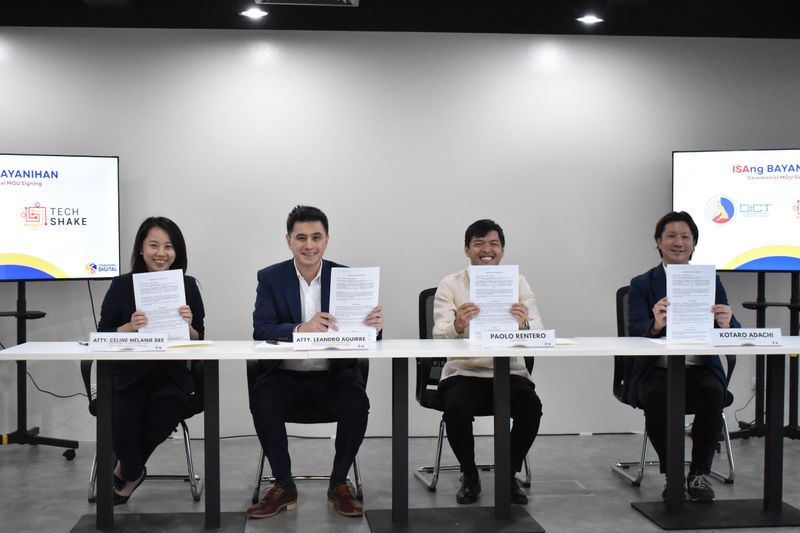
Technology evolves far too quickly for governments to operate without constant engagement with innovators, entrepreneurs, and industry leaders. Partnerships with ecosystem builders, such as TechShake, reflect this philosophy.
Platforms that bring policymakers, startups, and industry representatives together allow difficult conversations to happen earlier. They provide space to discuss technologies, identify risks, and shape practical solutions before challenges become crises. Such collaboration also supports a larger goal. Strengthening the country’s digital capacity and positioning Filipinos as active contributors to technological development rather than passive users of global innovations.
When innovators and regulators sit at the same table, policy becomes more informed and innovation becomes more responsible.
A Future Ready Philippines
Looking five years ahead, success will not be measured solely by infrastructure or policy milestones. It will be reflected in people.
The vision is a Filipino workforce that feels confident working alongside technology. Professionals who continuously reskill, adapt to change, and help build the next generation of digital systems. Small businesses will demonstrate stronger cybersecurity maturity. Regulatory frameworks will encourage responsible innovation through incentives as well as safeguards. And the Philippines will be recognized across the region as a trusted digital partner. A nation with strong infrastructure, scalable talent, and a culture that embraces technological change.
Ultimately, digital transformation is not just about building systems. It is about building confidence. A country where every Filipino, regardless of geography or background, has the opportunity to participate in the digital future.
-
Leandro Angelo Aguirre serves as the Undersecretary for Strategic Initiatives and Industry and Competency Development at the Department of Information and Communications Technology. Prior to this role, he served as Deputy Privacy Commissioner at the National Privacy Commission. He co-authored the book Privacy and Data Protection Law in the Philippines with Celine A. Dee, which examines the right to informational privacy in the Philippine privacy regulatory framework.
Visit www.dict.gov.ph if you would like to know and connect more with DICT.
Are you a startup, investor or corporation? Or do you just enjoy talking about startups? There are many ways that you can work with TechShake.
We’d love to hear from you!